
Freeze-Drying for Ready Meals & Snacks
Complete dishes and snack products combine ingredients with very different drying behaviours. Freeze-drying removes around 95-98% of the water at low temperature, so a finished meal or snack keeps its flavour, colour and nutritional value while becoming light and stable at ambient temperature.
For outdoor, travel, emergency and convenience ranges, that means a meal that rehydrates in minutes with hot water, or a snack that is crunchy straight from the pack. At this scale, production volume and consistent cycle quality matter, which is why larger-capacity equipment is usually the right fit.
Why freeze-drying
Fast, full rehydration
The porous structure lets a complete meal rehydrate in minutes with hot water, returning close to the original texture and flavour.
Flavour and nutrients kept
Low-temperature drying preserves colour, flavour and nutritional value across mixed-component meals and snacks.
Light, stable, no cold chain
Removing most of the water cuts weight and makes products stable at ambient temperature, lowering logistics and storage cost.
Why freeze-dry ready meals and snacks
Ready meals are mixtures of proteins, starches, vegetables and sauces, each with its own moisture and fat profile. Freeze-drying handles them in one low-temperature cycle and preserves the structure of each component, so the rehydrated meal tastes and looks like the dish that went in, not a homogenised paste.
For snacks, the porous freeze-dried structure delivers a clean, light crunch that heat-drying cannot match, while keeping the natural colour and flavour. Both formats are light, shelf-stable and need no cold chain, which lowers logistics cost and widens distribution.
What to consider
Mixed recipes are the challenge: the highest-moisture and highest-fat components govern cycle time, so recipes are often formulated and pre-frozen with freeze-drying in mind. As volumes grow, batch capacity, consistent loading and cycle repeatability become the deciding factors in equipment choice.
- Recipe formulation: design meals so components dry compatibly; fat and high-moisture sauces drive the cycle.
- Pre-freezing and portioning: freeze meals and snack pieces solid, in consistent portions, for even drying.
- Scale: ready-meal and snack lines need real throughput, so size loading capacity and shelf area to production, not trials.
- Packaging: finished products are hygroscopic and need moisture-barrier, often oxygen-barrier, packaging to hold quality.
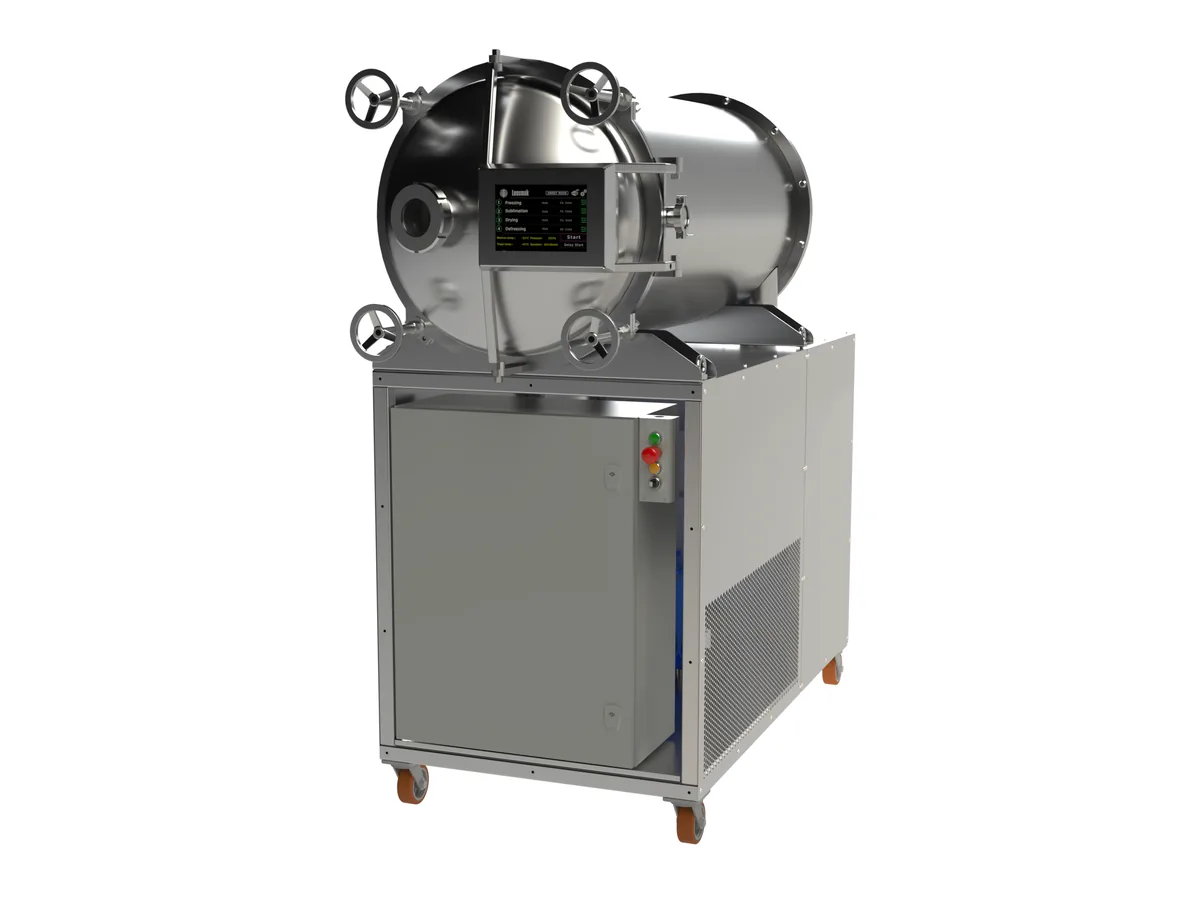
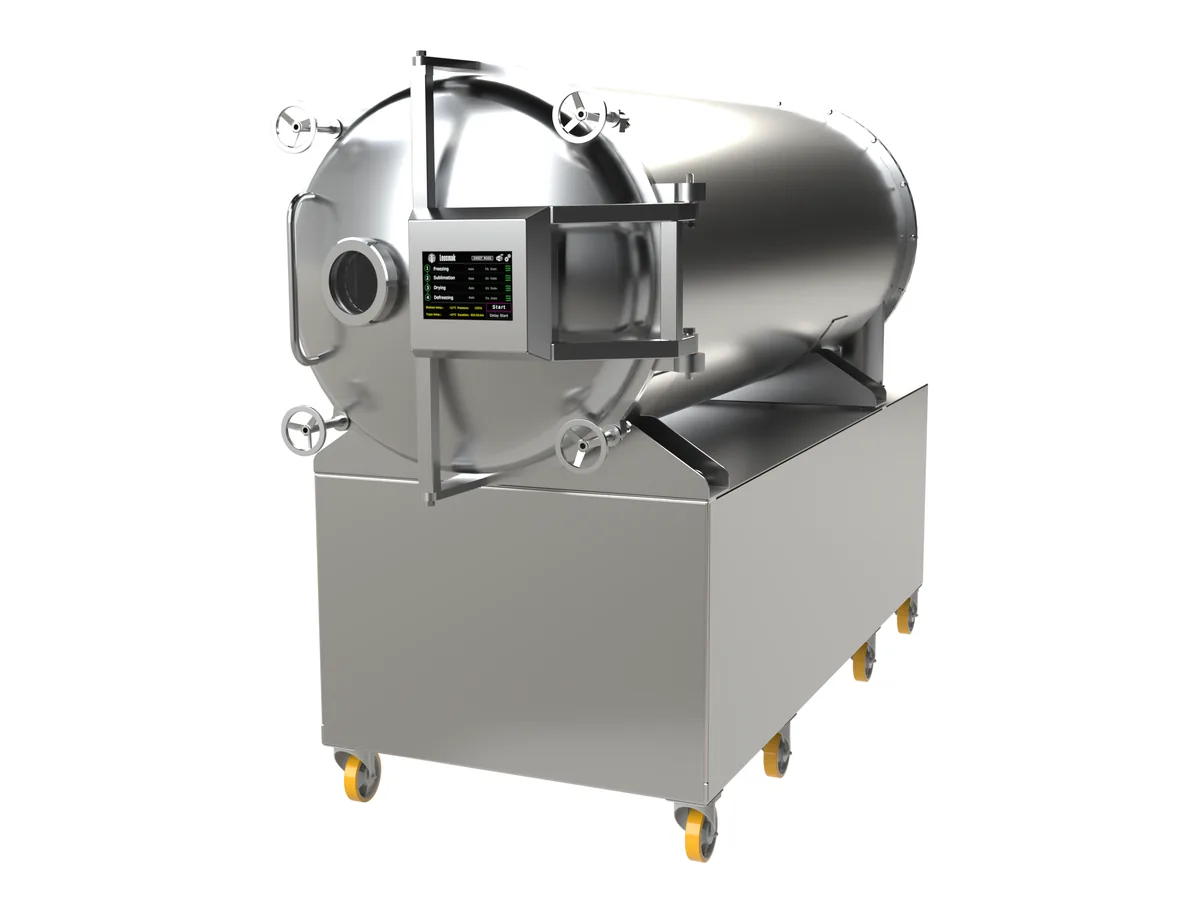
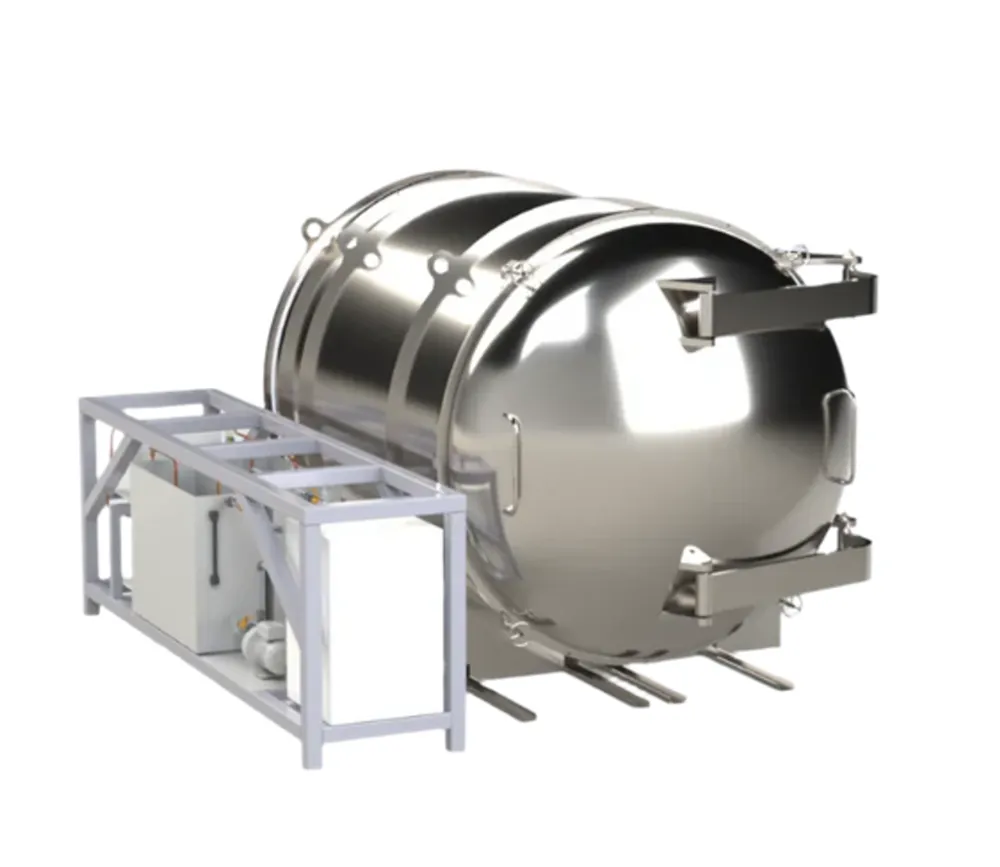
Recommended equipment
Not sure which model? Tell us your volume and we'll size it.
Frequently asked questions
Can a complete meal with several ingredients be freeze-dried together?
Yes. A balanced cycle dries proteins, starches, vegetables and sauces together while preserving each component's structure. Recipes are usually formulated with freeze-drying in mind so the components dry compatibly.
How fast do freeze-dried ready meals rehydrate?
Most rehydrate in a few minutes with hot water, because the porous freeze-dried structure takes up water quickly and evenly. Exact time depends on piece size, recipe and water temperature.
What capacity of equipment suits ready-meal and snack production?
It depends on your volume and mix, but commercial ready-meal and snack lines generally need larger-capacity freeze-dryers with consistent loading and repeatable cycles rather than small trial units. We can help size equipment to your output.
What ready meal economics look like at three scales
Best-fit, vendor-neutral configurations generated by our ROI engine. Illustrative — example inputs, not quotes. B2B prices, conservative, exclude labour.
Open the ROI calculator →